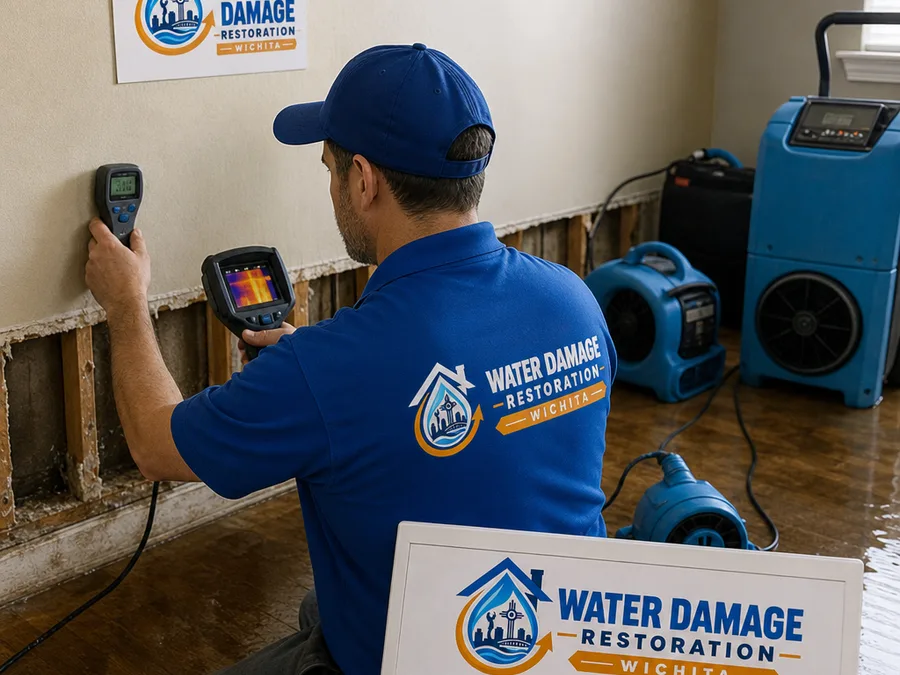
Clear scope and documentation
We document affected rooms, materials, and contents so you have a written plan for cleanup and the next repair steps.
Serving Wichita, Kansas & surrounding areas
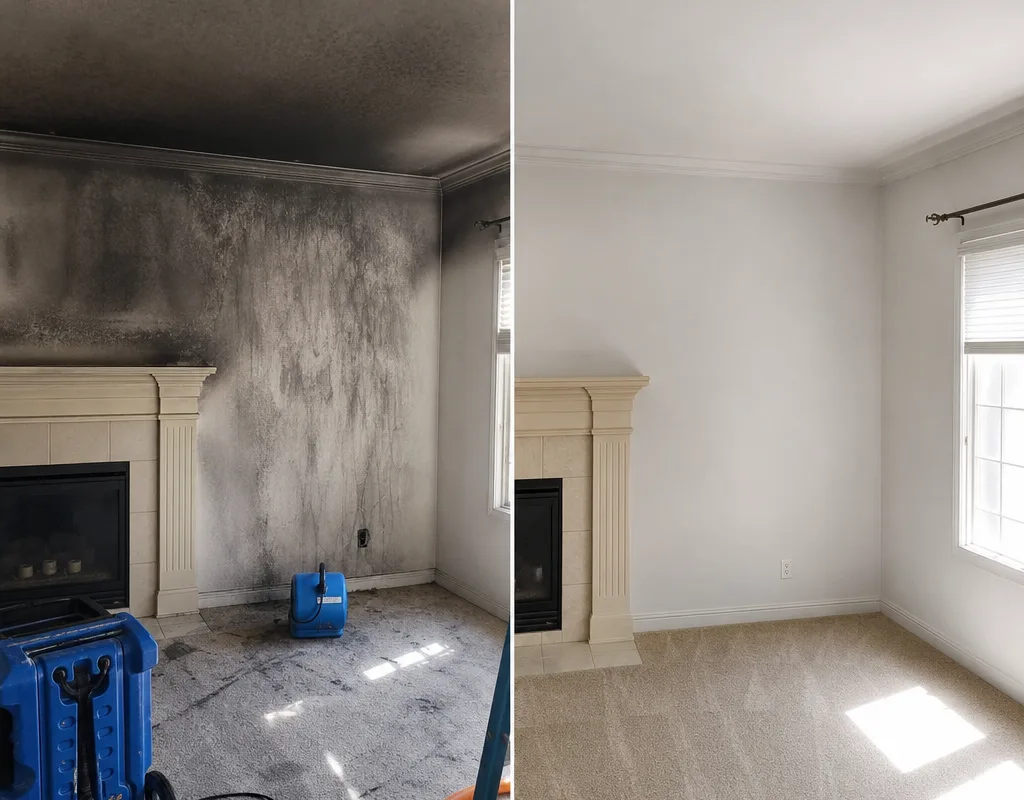
After a fire, fast stabilization matters. Our team removes soot and smoke residue, controls odor, and documents damage so repairs can move forward safely.
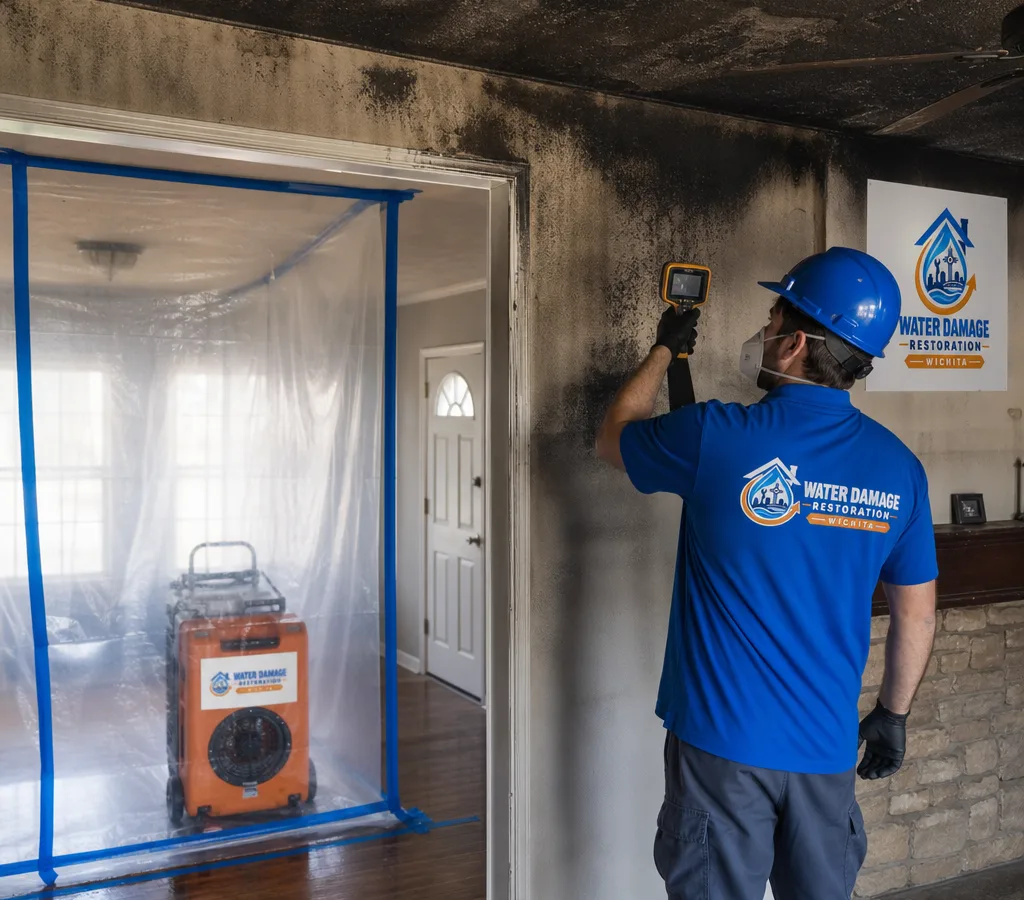
Fire damage restoration Wichita property owners need is more than cleaning up what you can see. Smoke and soot travel through HVAC returns, wall cavities, and attic spaces, and firefighting water can create a second wave of damage if it is not addressed quickly.
As Wichita’s local water and fire damage restoration service, our first priority is stabilization: making the structure safe to enter, preventing ongoing corrosion and odor set-in, and protecting surfaces that can be saved. That usually includes securing openings, setting up containment to keep soot from spreading, and starting controlled ventilation and filtration.
From there, the work breaks into clear phases: a detailed inspection and documentation, removal of debris and unsalvageable materials, soot and residue cleaning, smoke odor control, and then repair planning. If you are also dealing with water from suppression efforts or a broken supply line, drying and fire cleanup can be coordinated in the right order.
Soot is not one substance. The residue from a fast, high-oxygen burn behaves differently than oily, sticky soot from a smoldering fire, and each requires the right chemistry and agitation method. Household cleaners and bleach can smear residue, drive it deeper into porous materials, or permanently set staining.
A professional smoke cleanup plan typically includes:
In Wichita, windy days can pull fine soot into adjacent rooms through pressure changes if doors and windows are opened without containment. Containment and negative air help keep cleanup progressing instead of chasing residue around the house.
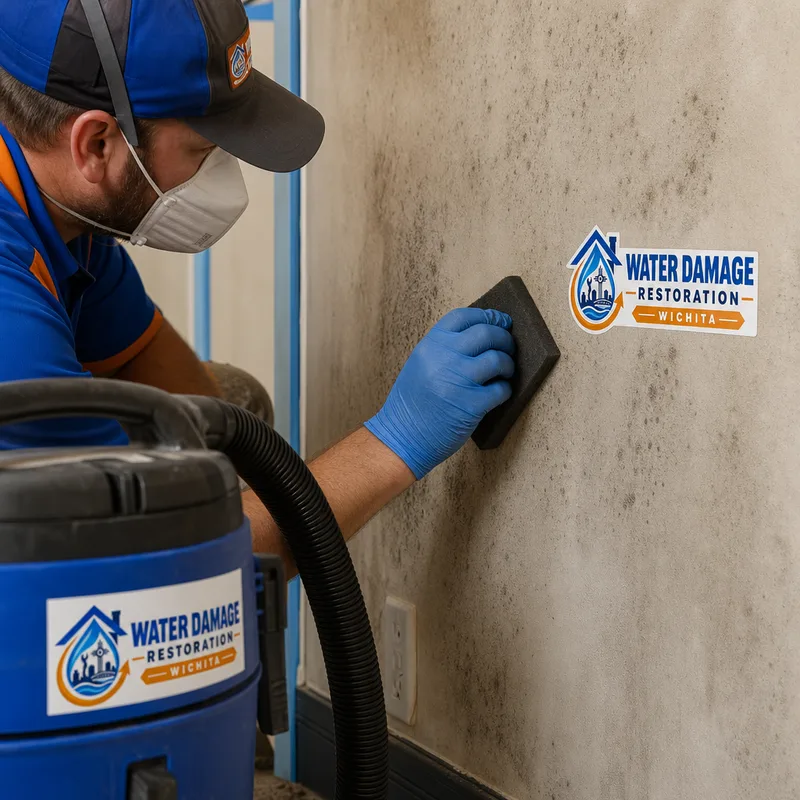
We document affected rooms, materials, and contents so you have a written plan for cleanup and the next repair steps.
We address odor sources during cleaning, then use appropriate deodorization methods for the materials involved.
We isolate clean areas, cover surfaces, and use HEPA filtration to reduce secondary contamination during work.
Fire events often involve electrical checks, HVAC evaluation, and reconstruction. We help sequence work so nothing has to be redone.
You get straightforward answers about what is safe to keep, what must be removed, and what timelines are realistic for your property.
Safe access and containment come first, followed by documentation, controlled removal, detailed cleaning, odor treatment, and verification.
Call Now: (316) 364-7642We assess structural concerns, identify areas with heavy soot and heat damage, and set up containment and air filtration. If the power is off or circuits are questionable, we plan around safe access and recommend an electrical evaluation before restoration moves into sensitive areas.
We map what can be cleaned versus what must be removed, including drywall, insulation, flooring, and cabinetry components. For older Wichita homes, smoke can travel through balloon framing and attic pathways, so we check concealed spaces where odor and residue often hide.
We remove unsalvageable materials and bag out contaminated debris to limit spread. This step often reveals the true extent of smoke migration and makes detailed cleaning possible.
We use HEPA vacuuming, dry sponging, and wet cleaning methods matched to residue type. Metals and appliances can begin corroding quickly after exposure, so we address surfaces early where practical.
Odor control depends on the material: porous contents may require treatment, sealing, or disposal. We use filtration and deodorization methods appropriate for the space, then verify results with a final walkthrough and recommendations for ongoing ventilation or HVAC service if needed.
Fire damage restoration in Wichita typically ranges from about $3,000 to $25,000+, with small, contained smoke cleanup at the low end and multi-room fire, soot, odor removal, and demolition at the high end. A single-room incident with light smoke residue may fall around $3,000 to $7,500, while heavier soot and deodorization across multiple rooms often runs $8,000 to $25,000+.
Final pricing depends on affected square footage, soot type and depth, contents cleaning needs, demolition and disposal, HVAC involvement, and whether firefighting water created additional drying work. Exact costs are confirmed after an on-site inspection and a written scope.
| Scope of work | Typical cost |
|---|---|
| Single room, light smoke residue | $3,000 – $7,500 |
| Multi-room soot and deodorization | $8,000 – $25,000+ |
| Typical overall range | $3,000 – $25,000+ |
Ranges are typical for Wichita properties. The exact figure is confirmed after an on-site inspection.
You should start fire damage restoration as soon as the property is released for access, because soot can stain and corrode surfaces and smoke odor can set into porous materials within days. Early containment and HEPA air filtration also reduces how far residue spreads when people move through the home.
In many cases, yes, but it depends on where the odor sources are and what materials were affected. Effective odor removal comes from removing soot and char residue first, then treating or removing porous items that absorbed smoke, and addressing hidden areas like insulation, framing voids, and HVAC pathways.
Often you can stay out of the work zone, but full-time occupancy is not always practical when containment, demolition, and odor treatments are underway. During your inspection we can tell you which rooms can remain isolated and when temporary relocation is the safer choice, especially for sensitive individuals.
Avoid wiping soot or washing walls because it can smear and permanently set staining. If it is safe, limit foot traffic, keep doors between affected and clean areas closed, and shut off HVAC if it is pulling smoke odor through returns. Bring any urgent documents or medications to a clean area.
Many homeowner and commercial policies cover fire and smoke damage, but coverage depends on your policy and the loss details. We can provide documentation and a clear scope of work to support your claim, and we will explain which items are commonly considered cleaning versus replacement so you can make informed decisions.
A small, contained smoke cleanup can take a few days, while multi-room fire damage with demolition and odor control can take 1 to 3 weeks before repairs even begin. The biggest timeline drivers are how far smoke traveled, how much material must be removed, and whether additional trade work is required for safe re-occupancy.
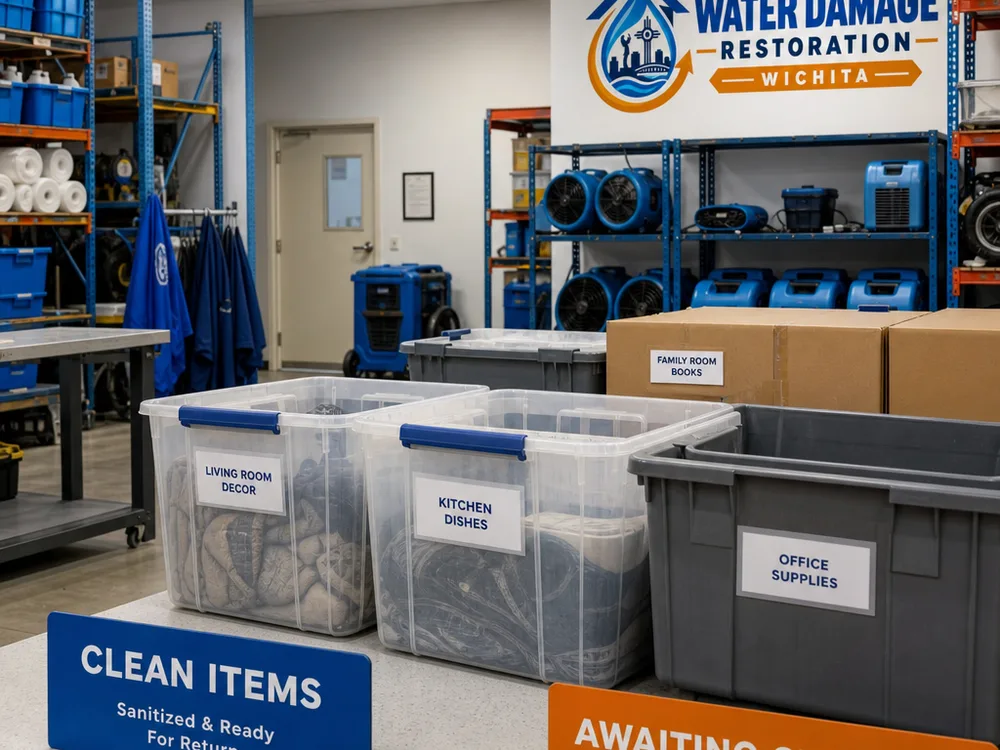
Fire restoration can include both, and contents often drive the experience of moving back in. We can sort items by salvageability, clean what can be cleaned, and identify what should be replaced due to deep odor absorption or heat damage, then coordinate packing and staging so repairs can proceed.
Tell us what happened and what areas were affected. We will schedule an inspection, explain the cleanup steps, and provide a written scope so you can move from emergency cleanup to safe, durable repairs.