Moisture-first approach
We focus on finding where moisture is entering or lingering, because correcting the source is what keeps mold from returning.
Serving Wichita, Kansas & surrounding areas
If you smell a musty odor, see staining, or have had past moisture, a certified inspection gives you clear answers. We pinpoint where mold is growing, what conditions are feeding it, and what to do next so you can move forward with confidence.
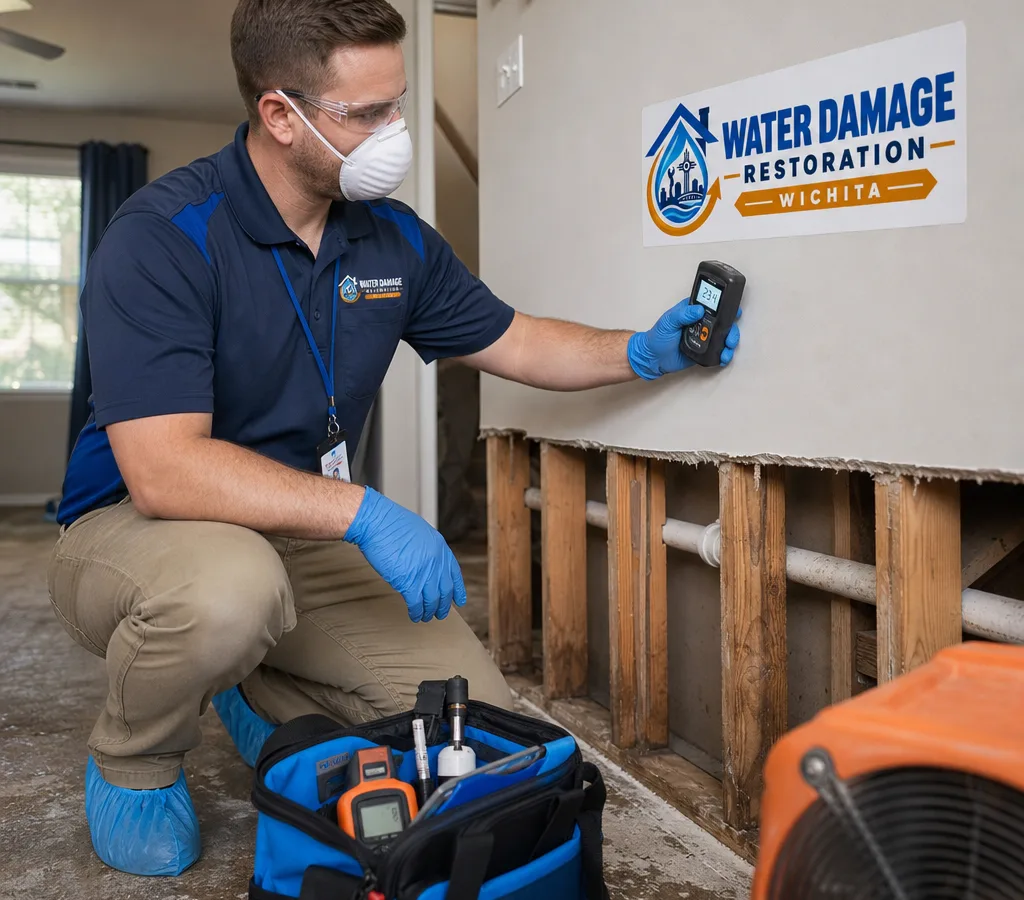
A mold inspection is most useful when you need facts, not guesses. If you are noticing a persistent earthy smell, new allergy-like symptoms that seem worse indoors, bubbling paint, warped baseboards, or discoloration around windows, an inspection helps determine whether mold is present and what is driving it.
As an experienced water damage restoration crew in Wichita, we find mold concerns usually follow moisture events such as plumbing leaks, roof leaks, wet crawl spaces, or damp basements after heavy rain.
Even when the visible surface dries, moisture can remain in drywall, insulation, trim, or subflooring. Mold can start growing on damp materials within 24 to 48 hours, so it is smart to verify conditions early.
A proper mold inspection in Wichita, KS focuses on two things: evidence of mold growth and the moisture source that makes growth possible. You will get practical documentation you can use to plan remediation, make informed repairs, or support a real estate decision.
A dependable mold inspection is a structured assessment, not a quick look around. Our process is designed to document conditions clearly so the next step, whether that is remediation, targeted repairs, or monitoring, is based on proof.
On-site assessment and interview: We start by asking about any past leaks, HVAC issues, condensation, or rooms that have a recurring odor. That history helps us target likely pathways.
Moisture mapping: We use non-invasive moisture meters and thermal imaging to identify elevated moisture in walls, ceilings, and floors. This is often the key step because mold is a symptom, while moisture is the cause.
Visual inspection of common problem areas: We check bathrooms, laundry rooms, around windows, beneath sinks, basement and crawl space access points, and attic areas where ventilation problems can lead to condensation.
Air and/or surface sampling when appropriate: Sampling is not required for every home. When it is needed, we collect samples using industry-standard methods, such as spore trap air cassettes and tape lifts or swabs on suspect surfaces. Samples are sent to an accredited laboratory for analysis.
Report with findings and next steps: You receive a written summary of observations, moisture readings, photos of relevant conditions, lab results if sampling was performed, and recommendations on how to correct moisture conditions and what areas may need professional remediation.
If your concern started after a leak or flooding, it can help to coordinate the inspection with an overall moisture assessment; our team at Water Damage Restoration can advise on practical next steps without turning the inspection into a sales pitch.
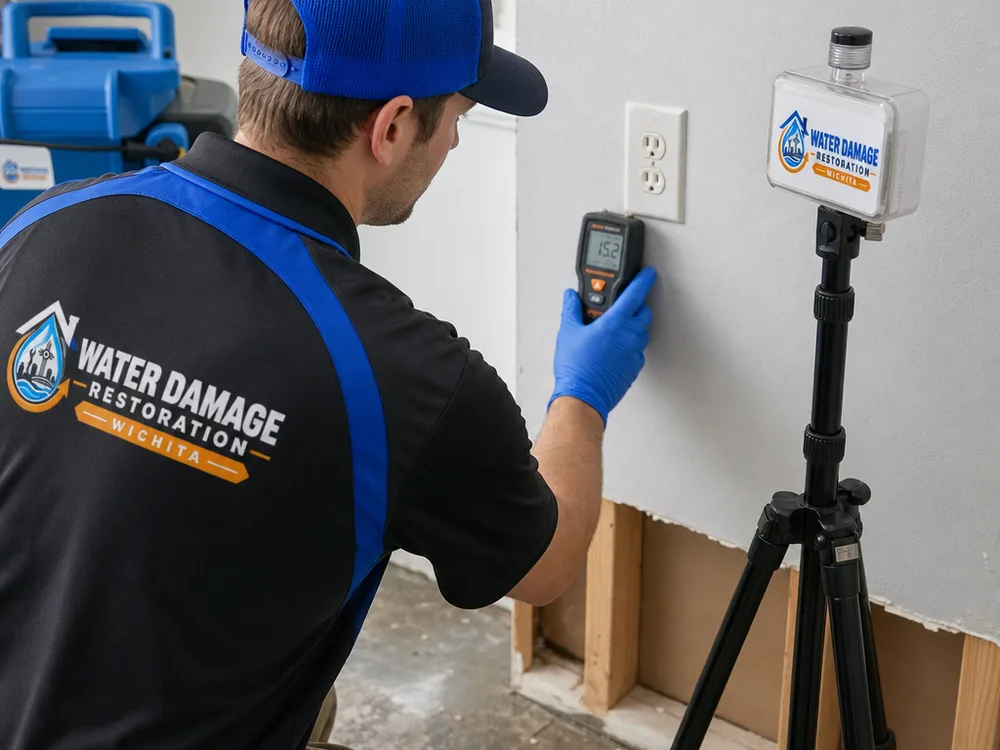
We focus on finding where moisture is entering or lingering, because correcting the source is what keeps mold from returning.
We recommend air or surface samples when they answer a real question, like confirming an area of concern or documenting conditions for a transaction.
You get photos, moisture readings, and plain-language conclusions so you can plan remediation, repairs, or follow-up monitoring.
Inspections account for typical building assemblies: drywall and insulation, attic ventilation, crawl spaces, and areas where condensation forms.
We work carefully around suspect growth and discuss when containment and proper PPE matter, especially for sensitive occupants.
Homes and rentals across Wichita vary a lot, and so do the conditions that lead to mold. We prioritize spaces where moisture hides and where air movement can spread spores.
Call Now: (316) 364-7642Finished basements can trap humidity behind drywall and flooring. We look for staining near foundation walls, damp carpet tack strips, and elevated moisture at baseboards.
In vented crawl spaces, humid outdoor air can condense on cooler surfaces. We check for damp soil, standing water, wet insulation, and visible growth on joists and sill plates.
Poor ventilation, blocked soffits, and bathroom fans that terminate in the attic can create condensation on roof decking. We look for dark staining and verify airflow patterns.
Slow leaks at supply lines, wax rings, or around tubs and showers can keep framing damp for months. We look at caulking, grout lines, and adjacent walls for moisture signatures.
Small supply-line leaks and drain seepage often go unnoticed until swelling, odor, or staining appears.
Condensation at coils, clogged drains, or poorly insulated duct runs can raise indoor humidity. We also consider return-air pathways that can move spores from one area to another.
If you are in a real estate timeline, we can prioritize the inspection so results are actionable for negotiations and repair planning.
We connect what you have observed with moisture data, appropriate sampling, laboratory findings, and a written plan.
Call Now: (316) 364-7642We confirm the concerns you are seeing, any history of leaks, and whether you need documentation for a home sale, purchase, or property management file.
We walk the property, check likely moisture pathways, and take readings to identify elevated moisture and suspect areas.
If sampling is appropriate, we collect air and/or surface samples from the right locations to answer the question at hand.
Samples go to an accredited lab. We interpret results in context with what we observed on-site and the moisture data.
You receive a report with photos, readings, lab results if collected, and recommendations for moisture correction and remediation scope.
Mold inspection in Wichita typically ranges from about $250 to $650, depending on the home size, how many areas need evaluation, and whether lab sampling is needed. A basic inspection with moisture mapping is usually on the lower end, while inspections that include multiple air samples, surface samples, or larger homes trend higher.
Pricing changes most with square footage, number of suspect rooms, access to attic or crawl space, and how much documentation you need for a real estate or insurance situation. The exact cost is confirmed after we understand the property and the scope of concerns.
| Scope of work | Typical cost |
|---|---|
| Basic inspection with moisture mapping | $250 – $400 |
| Multiple air or surface samples, larger homes | $400 – $650 |
| Typical overall range | $250 – $650 |
Ranges are typical for Wichita properties. The exact figure is confirmed after an on-site inspection.
“We had a musty smell in the basement and couldn't tell if it was just old carpet or something worse. The inspector found elevated moisture behind one wall, took samples, and the report spelled out exactly what needed to be addressed.”
Erin P.
“During our home purchase, we needed clear documentation fast. The inspection was thorough, and the findings helped us decide what to ask the seller to fix before closing.”
Jason L.
Most inspections can be scheduled within a few days, and sooner if you are dealing with an active leak or a real estate deadline. When you reach out, share the rooms involved and any known moisture event so we can plan the right amount of time on-site.
No, sampling is used when it answers a specific question, such as confirming a suspected area, checking whether spores may be impacting indoor air, or documenting conditions for a transaction. If visible growth and moisture conditions are clear, the priority may be moisture mapping and defining the remediation scope rather than collecting samples.
Leave suspect areas as-is so we can document conditions accurately. If possible, clear access to under-sink cabinets, the attic hatch, the crawl space entry, and any rooms with staining or odor, and avoid running air purifiers in the immediate area right before sampling.
Yes, when lab testing is part of the scope, the report will include the laboratory's identification for the samples collected. Field observations alone cannot reliably identify mold type, so we avoid guessing and use lab analysis when it is necessary for decision-making.
A good inspection looks for both, and moisture mapping is a core part of the visit. We document likely moisture sources such as plumbing leaks, roof or window intrusion, condensation from ventilation issues, or elevated humidity in basements and crawl spaces.
In most cases, yes, because an inspection is non-destructive and does not involve removing contaminated materials. If we find extensive visible growth or conditions that suggest a higher risk, we will discuss practical precautions and whether professional remediation with containment is the next step.
Tell us what you are seeing and where it is happening, and we will recommend the right mold inspection approach for your Wichita property, with a written report you can act on.